

When someone searches for a pet groomer, they need the service relatively soon. Google Ads can capture this immediate need. Continue reading to learn more about Google Ads for Pet Groomers.
I. What is Google Ads?
Google Ads is the most popular and effective online advertising platform available. It puts a spotlight on your pet grooming business when people search on Google for your services. Your business will appear right at the top of the search results, even before the regular website listings.
You choose words (keywords) that people might type when looking for a groomer, and when they search those words, your ad shows up. When someone clicks your ad, they go to your website or can call you directly.
Google Ads helps you get more customers by making sure your business is seen by people who need your pet grooming services right when they’re searching for them.
II. Step-by-Step Guide: Campaign Creation
Setup Google Ads Account
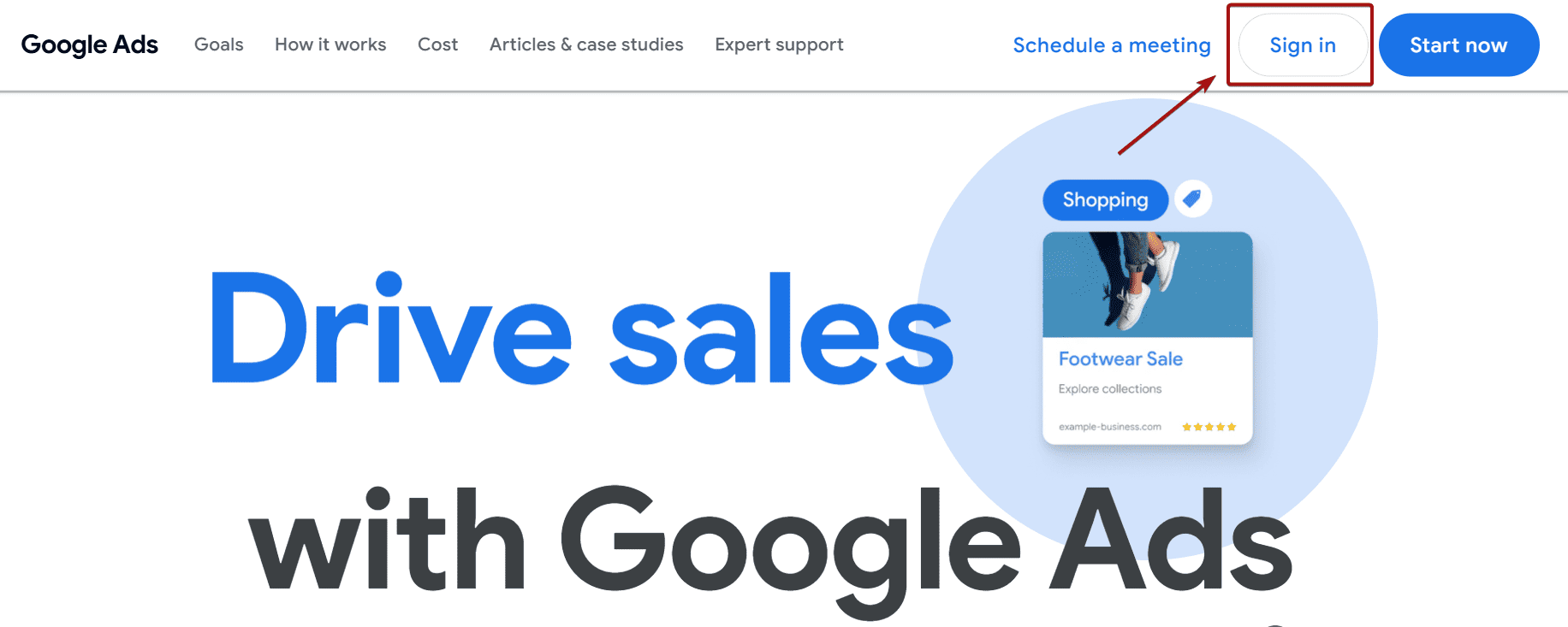
Go to ads.google.com and follow the prompts to create an account.
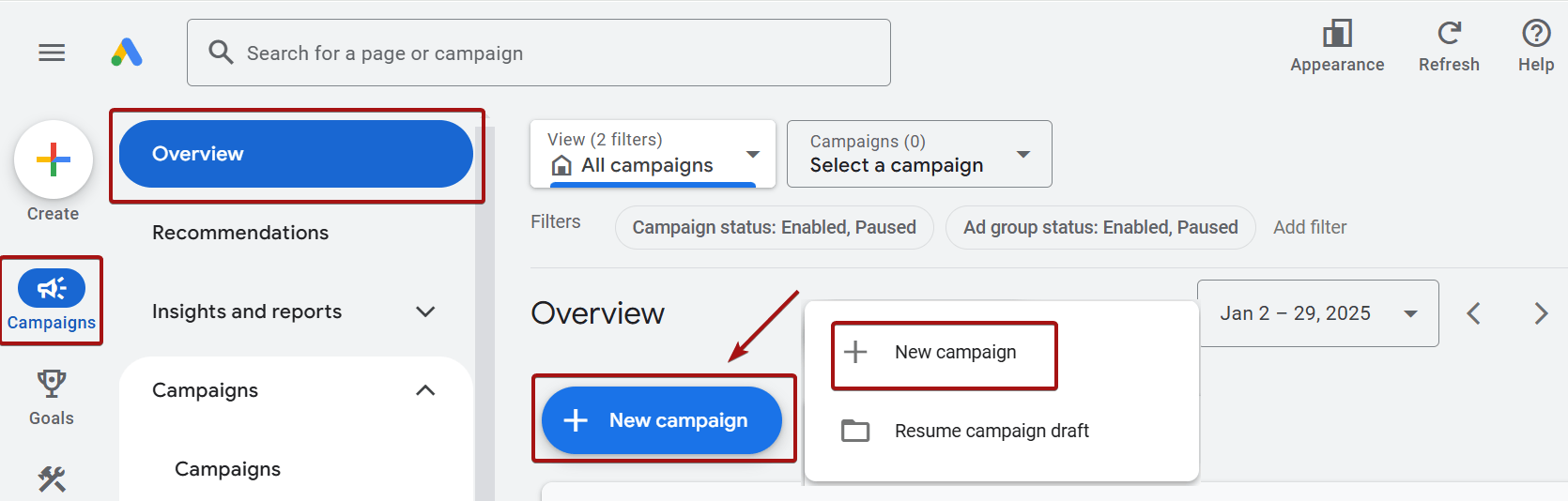
Create Google Ads for Pet Groomers Campaign
Select “New Campaign” in the Overview page.
Business Information
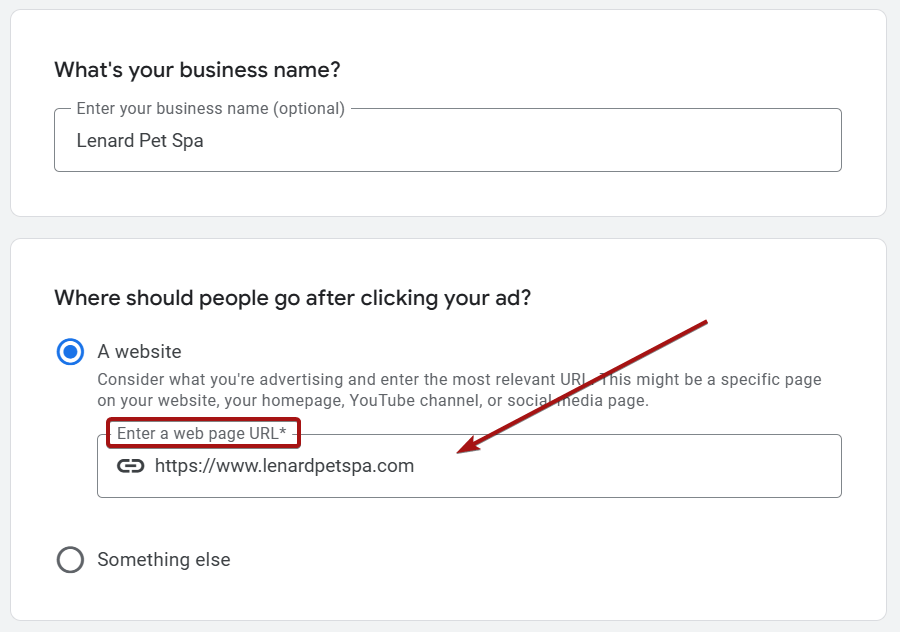
This part is essentially asking you to help Google understand your business so it can tailor its recommendations and optimizations for your campaign.
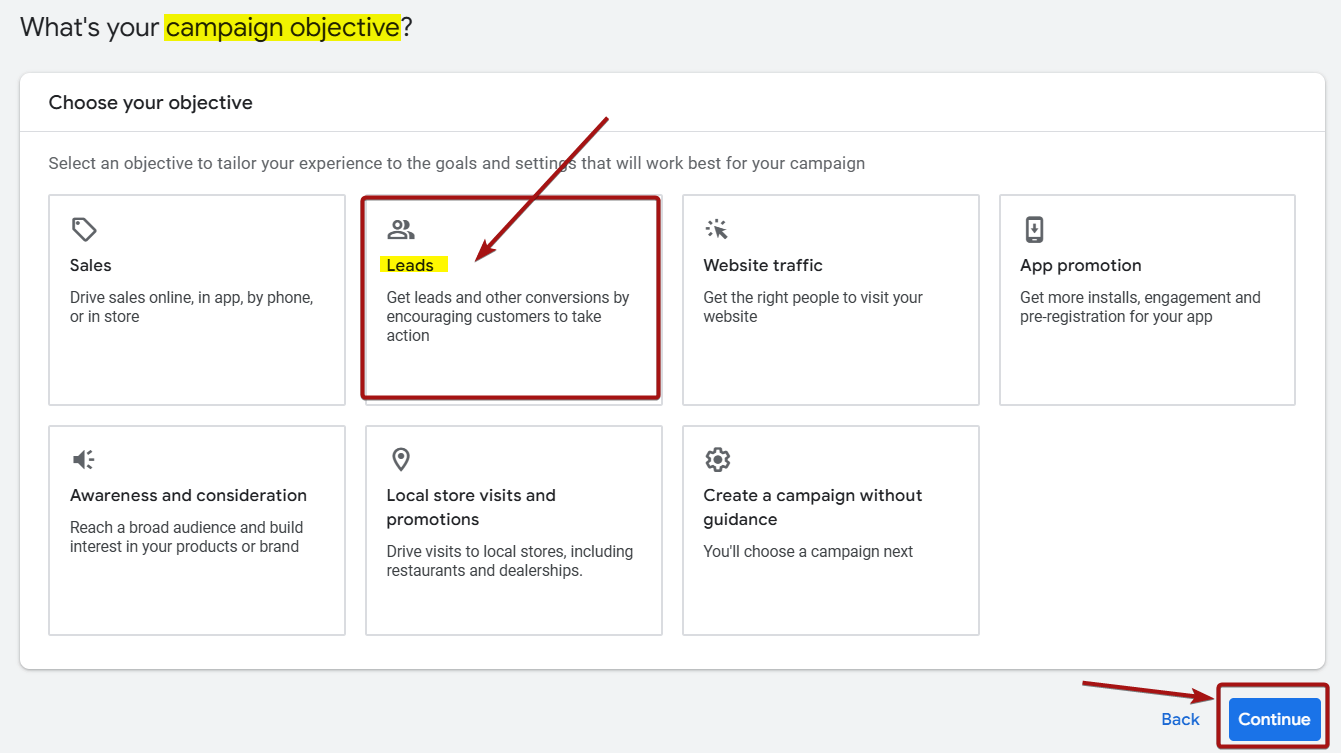
Campaign Objective
When setting up a Google Ads campaign, you begin by defining what you want to achieve, known as your campaign objective. This is essentially the main goal you have for your advertising efforts, such as driving more sales, generating leads, or increasing website traffic.
Choosing the right objective is important because it influences the types of ads you can run and how Google optimizes your campaign
Leads is a very strong starting point campaign objective because it directly aligns with your core business goal: securing appointments and building a client base. Select Leads.
Get Found by Local Pet Owners. Our Personalized Google Ads Campaigns Drive Real Foot Traffic to Your Door. Let’s discuss your local needs!
Contact Us For A Free Consultation!
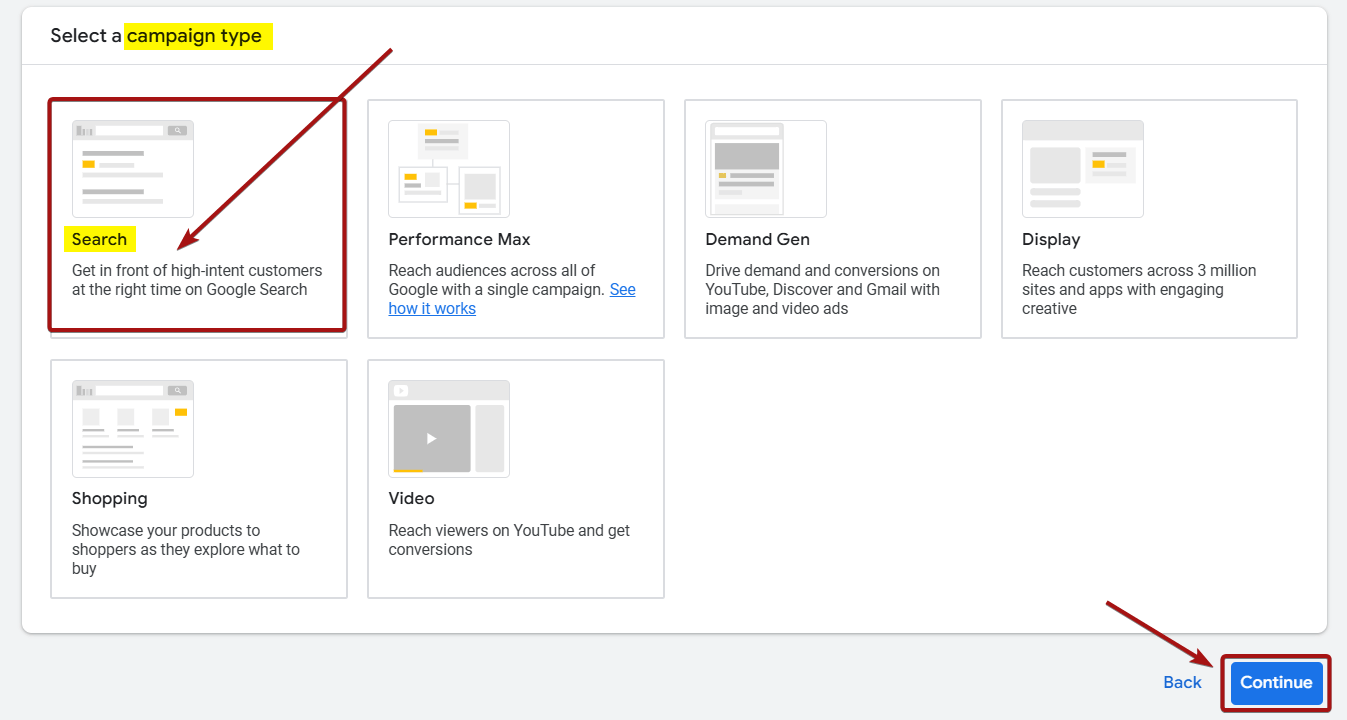
Campaign Type
Campaign Type determines where your ads will appear. Common types include search campaigns, which show ads on Google search results; display campaigns, which place visual ads on websites across the internet; and video campaigns, which run ads on YouTube.
Compared to other campaign types, search campaigns can deliver relatively quick results. When someone searches for a pet groomer and clicks on your ad, they can immediately book an appointment or call your business. Select Search as your campaign type.
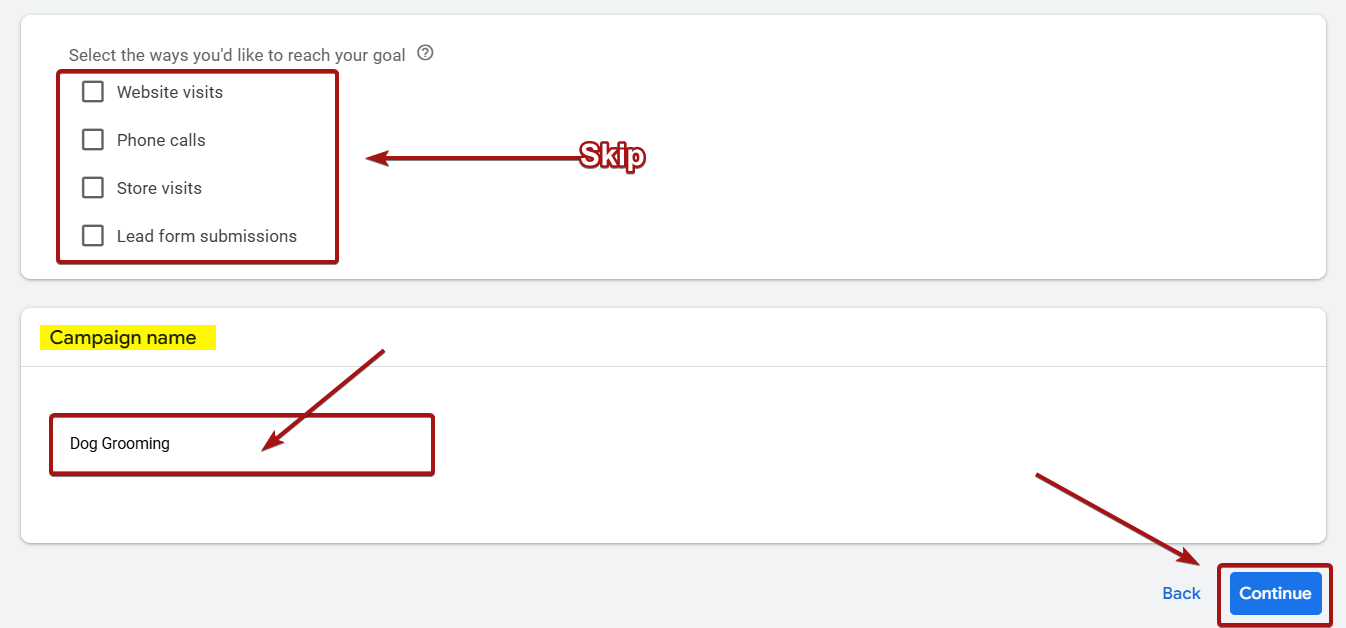
Campaign Name
Use clear and descriptive campaign names to keep your account organized.
Separate campaigns allow you to tailor ad copy, keywords, and landing pages to specific services or target audiences. For example, you might have separate campaigns for dog grooming, cat grooming, and mobile grooming.
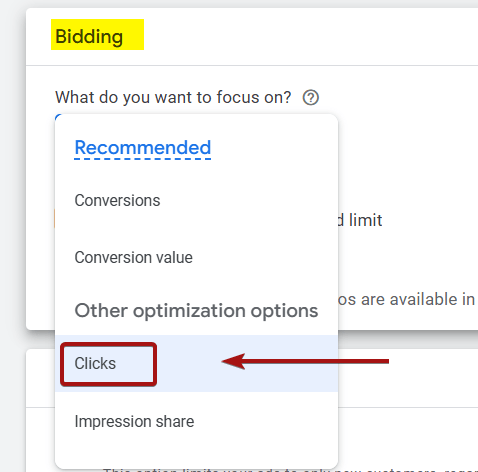
Bidding Strategy
A well-chosen bidding strategy is key to attracting local clients efficiently.
Maximize Clicks strategy can ensure your ads are seen by a broad audience within your service area. It is important to monitor these clicks and ensure they’re leading to actual appointments. For those starting out or with limited budgets, a manual CPC (cost per click) strategy offers more control, allowing you to set bids based on keyword performance and competition.
Networks Campaign Settings
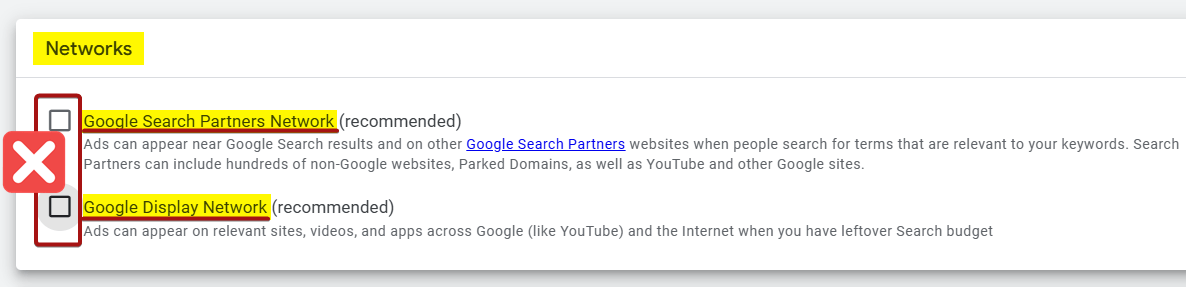
In the creation of your Google Ads, you control the locations your advertisements are shown. The main options are Google’s search results, websites across the internet (display network), and other search engines partnering with Google.
For Google Ads for Pet Groomers, it’s best to stick only to Google’s search results. This is because people searching on Google are usually looking for a specific service, like pet grooming, right then and there. Showing ads on random websites or other search engines can waste money since those people aren’t actively seeking grooming services.
Pet groomers need local customers, and Google’s search results let you target a specific area very well. Using only the search network helps keep your budget focused on people who are most likely to become paying clients, making it easier to track which ads actually bring in business.
Disable both Google Search Partners Network and Google Display Network.
Location Setting
For your Google Ads for Pet Groomers, location settings are absolutely important. Since your business relies on serving a specific geographic area, you must precisely define where your ads appear. This means focusing on the immediate vicinity of your physical location or the service area you can realistically cover.
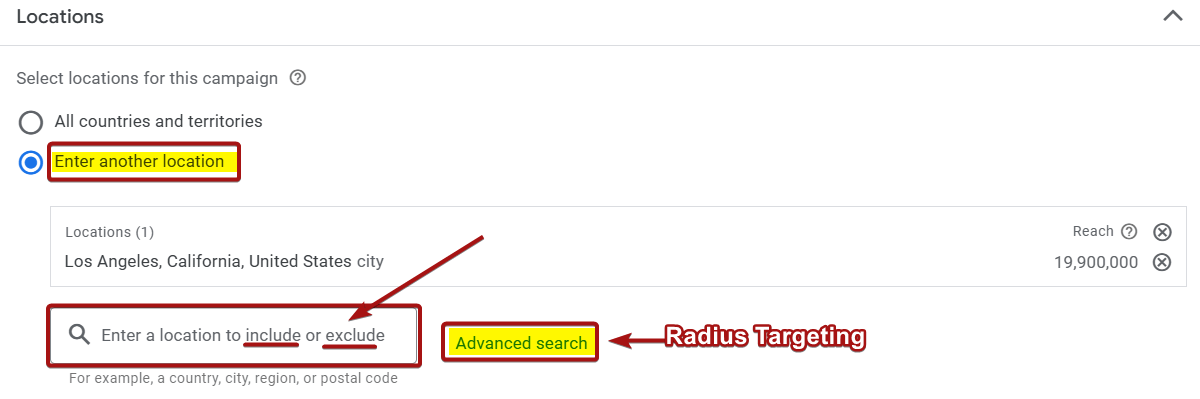
Typically, this involves targeting a specific city, town, or a radius around their business address. By using precise location targeting, you can ensure your ads are shown to individuals who are most likely to become customers, those living or frequently present in the area. This approach minimizes wasted ad spend by avoiding showing ads to people outside your service range, and maximizes the chances of attracting local clients seeking nearby grooming services.

It is also vital to show your Google Ads for Pet Groomers only to people who live or spend a lot of time in their service area. Choosing the setting that prioritizes “presence” ensures that your ads reach the most likely customers—those who are nearby and convenient.
This prevents your ad budget from being spent on people who are just visiting or searching from far away, who would never become clients. Focusing on those who are consistently in your area greatly increases the chance of them seeing your ad, clicking, and ultimately scheduling an appointment. This precise targeting aligns with the reality that pet grooming is a local service, where convenience is a major factor in a customer’s decision.
Language Setting
Language Setting determines which users see your ads based on their Google account language preferences or browser settings. For pet groomers, focusing on the predominant language spoken in their service area is essential.
If the area is primarily English-speaking, then English should be the selected language. This ensures that your ads are shown to users who are most likely to understand and engage with your message.
However, if your service area has a significant population that speaks another language, it might be beneficial to include that language as well. This allows you to reach a wider audience and cater to the specific needs of your community. It’s important to align your language targeting with the languages spoken by your potential customers to maximize the effectiveness of your advertising.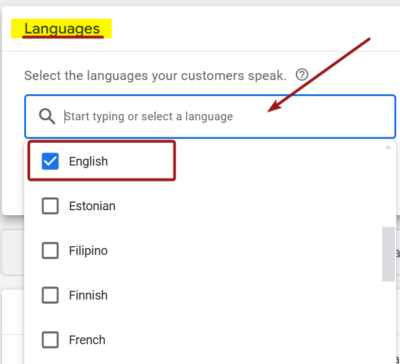
Start and End Dates
For pet groomers, deciding how long a Google Ads campaign should run requires a thoughtful approach. Unlike some businesses that might run short, seasonal promotions, pet grooming services generally benefit from continuous advertising. This is because pet grooming is a year-round need, with consistent demand.
Therefore, setting up campaigns to run indefinitely, or with a very long end date, is the most effective strategy. This ensures that potential customers searching for grooming services at any time will encounter your ads.

Ad Schedule
Ad schedule lets you control when your ads appear throughout the day and week, optimizing for when your target customers are most likely to engage.
Typically, it’s beneficial to align your ad schedule with your business hours, ensuring that potential clients see your ads when you’re available to answer calls or book appointments. For instance, if you’re closed on Sundays, there’s little point in running ads then.
Similarly, you might find that appointment bookings peak during certain times of day, like evenings or weekends, and adjust your schedule accordingly.
This focused approach prevents wasted ad spend during off-peak hours and maximizes the chances of connecting with pet owners when they’re actively searching for grooming services. By carefully analyzing your appointment patterns and aligning your ad schedule with them, you can increase efficiency and drive more valuable leads.

Ad Rotation
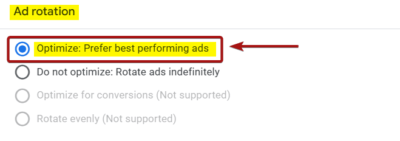
Ad Rotation dictates which of your created ads Google shows most often. When setting up a campaign, opting for the “optimize” setting is the initial and most effective choice.
This directs Google’s system to prioritize showing the ads that are most likely to result in clicks and, ideally, appointments. Given that pet groomers aim to fill appointment slots, having Google automatically favor the highest-performing ads maximizes the chances of attracting potential clients.
This optimization is particularly beneficial because it takes into account real-time data, ensuring that the ads shown are consistently those that resonate best with pet owners searching for grooming services.
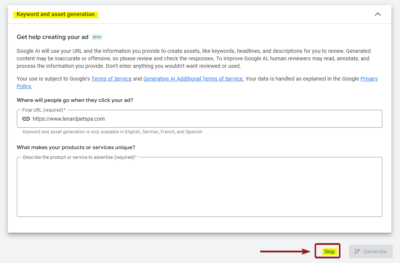
Keyword and Asset Generation
Keyword and asset generation in Google Ads involves creating the words people type into search engines and the visual or text elements that make up your ads. For your pet grooming services, this means identifying phrases like “dog washing near me” or “cat nail trimming” and crafting compelling ad headlines and descriptions that feature those keywords.
While Google Ads offers automated tools to suggest these elements, it’s perfectly acceptable to skip them initially. This is because pet grooming is a highly localized service with specific client needs. Relying solely on automated suggestions might lead to overly broad or irrelevant keywords and ad copy.
Instead, you can benefit from manually selecting keywords that precisely match your service offerings and target location. Crafting tailored ad copy that highlights unique selling points, such as gentle handling or specialized breed expertise, tends to be more effective than generic, auto-generated content.
Google Ads for Pet Groomers Ad Copy Sample
Ad Group
An Ad Group is like a specific folder within your overall advertising campaign. It’s where you organize your ads and keywords based on related themes or services.
Imagine you offer dog grooming, cat grooming, and mobile grooming. Instead of lumping everything together, you’d create separate ad groups for each. This allows you to tailor your ads and keywords to match what people are searching for.
For example, someone searching for “dog nail trim” will see an ad specifically about dog grooming, rather than a general ad about all your services. This focused approach ensures that your ads are highly relevant to potential clients, which increases the likelihood of them clicking and booking an appointment.

Keywords
Selecting the right keywords is essential to connect with potential clients searching online. These keywords should reflect the services offered and the local area served.
It’s important to include phrases that capture the specific needs of pet owners, such as “dog grooming near me,” “cat bathing services,” or “mobile pet groomer.”
Additionally, consider incorporating breed-specific terms like “Labrador grooming” or “Persian cat haircut” to target niche audiences.
Localized keywords, incorporating the city or neighborhood name, are important for reaching customers in the immediate service area.
Beyond service-oriented terms, including phrases that highlight unique selling points, like “gentle pet grooming” or “experienced dog groomers,” can attract clients seeking particular qualities.
Regularly reviewing search term reports helps identify new, relevant keywords and eliminate irrelevant ones, ensuring the ad campaign remains effective.
Ad Assets
Final URL
When setting up Google Ads for Pet Groomers, the Final URL is the actual web page address where people land after clicking your ad. It’s important that this page is relevant to the ad’s message, like a specific service page or a booking form.
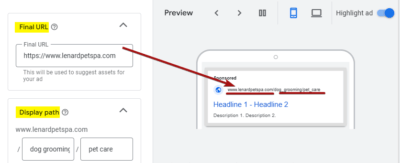
Display Path
Display Path acts as a user-friendly, abbreviated web address visible in your ad, offering a quick glimpse of the landing page.
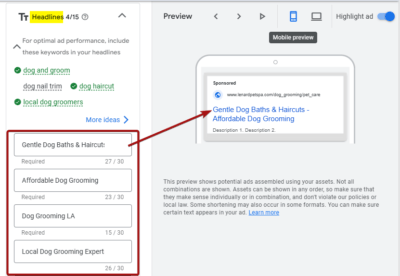
Headlines
When pet owners see your Google Ads for Pet Groomers, the headlines are what stand out first, and they’re very important for getting them interested. These short, persuasive lines need to clearly show how your services are helpful and make people want to click.
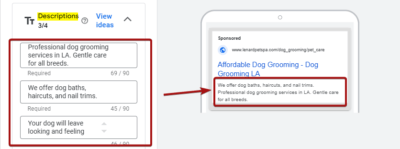
 Descriptions
Descriptions in Google Ads for Pet Groomers provide additional details that expand on the headlines, giving potential clients a clearer picture of what your business offers.
These concise paragraphs should highlight the specific benefits and features of your services, such as gentle handling, breed-specific expertise, or convenient mobile grooming options.
Ad Extensions
Sitelinks
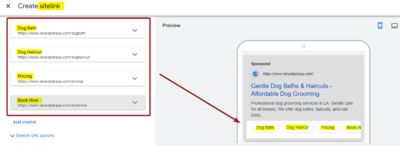
Sitelinks in Google Ads for Pet Groomers are extra links displayed beneath your main ad, directing potential clients to specific pages on your website. They act as shortcuts, allowing users to quickly access relevant information without navigating through your homepage.
For example, you might include sitelinks for “Dog Bathing Services,” “Cat Nail Trims,” or “Mobile Grooming Appointments.” This not only improves user experience by providing direct access to desired services but also increases the chances of a click by offering a variety of relevant options.
Callouts
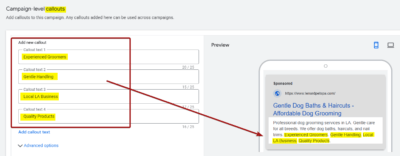
Callouts for Google Ads for Pet Groomers are are brief, unclickable statements that emphasize what makes their services special or valuable. These phrases show up with the ad, giving potential customers extra details. They appear alongside your ad and provide extra information to potential clients.
For example, you might use callouts like “Experienced Groomers”, or “Gentle Handling”. These brief snippets of text help emphasize what sets your grooming service apart from competitors, such as specialized skills, customer service excellence, or convenient offerings.
Tired of Empty Slots? Let us show you how to attract your ideal clients consistently.
Landing Page
A Landing Page is a targeted webpage designed to quickly capture the attention of pet owners and convert them into clients by showcasing the unique value of your business. This page concentrates on one action, such as scheduling an appointment or requesting service details.
Essential Elements of a High-Converting Landing Page:
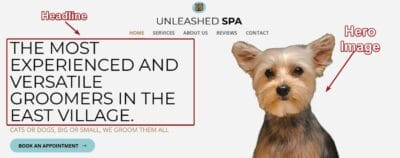
- Headline is the very first line of text that visitors see when they arrive. It’s important because it’s the primary way to grab their attention and convey the page’s core message. It is the initial point of contact, setting the tone for the entire page. It needs to be compelling enough to encourage visitors to stay and learn more.
- Hero Image occupies a significant portion of the above-the-fold area (the part of the page visible without scrolling). It’s designed to be visually impactful and immediately draw the visitor’s eye.
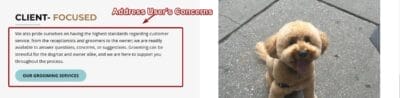
- Address Users’ Concerns means proactively acknowledging and resolving the common worries and questions potential clients might have about the grooming process. It’s about building trust and confidence by showing you understand and care about their anxieties. Here’s a breakdown:
Understanding Pet Owner Anxieties:
Pet owners often have concerns about their pet’s safety, comfort, and well-being during grooming. These concerns might include:
- “Will my pet be treated gently?”
- “Will they be stressed or anxious?”
- “Are the products used safe and natural?”
- “Is the groomer experienced and qualified?”
- “Will my pet get the haircut I want?”
- “Will my pet be in cages for long periods of time?”
- Key Benefits shift the customer’s focus from “what we do” to “what you get.”
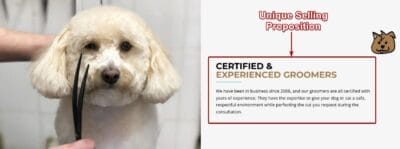
- Unique Selling Proposition is what sets your pet grooming business apart from your competitors.
- Social Proof means demonstrating your trustworthiness through the positive experiences of others, making potential clients feel more comfortable and confident in choosing your services.
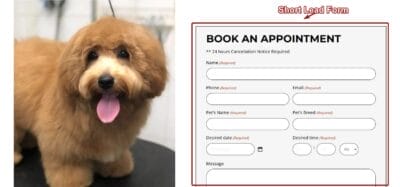
- Short Lead Form is a streamlined way to gather contact information from potential clients. It is about making it quick and convenient for potential customers to express their interest, allowing the groomer to easily follow up and schedule appointments.
Pet Grooming Landing Page Sample in Manhattan, New York City:


If you need help creating your landing page, our experts can assist you.
Budget
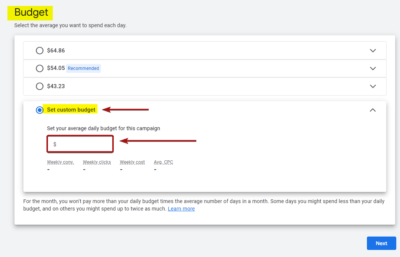
Determining the appropriate budget for Google Ads for Pet Groomers campaign is essential for maximizing return on investment (ROI). Given the localized nature of the business, a carefully calculated daily budget allows for consistent visibility within the service area.
Starting with a custom budget provides you with precise control over ad spend, enabling you to tailor it to your specific needs and financial capacity. This approach is particularly advantageous for small, local businesses, as it avoids overspending while still allowing for effective targeting of potential clients.
III. Optimization and Monitoring
Keyword Planner

Keyword Planner is a key tool within Google Ads. It assists businesses in finding relevant search terms for their advertising. This is extremely valuable for understanding how people conduct online searches.
 The “start with a website” option in Google’s Keyword Planner is telling the tool to analyze competitor’s website’s content to generate keyword suggestions.
 The Keyword Planner scans the text, images, and overall structure of the competitor’s website. It identifies the key themes, services, and locations mentioned on the site.
Keyword Website Search Result Sample (New York Landing Page):

More Than Just Ads. We Build Relationships in Your Community. Let us connect you with pet owners actively searching for your services.
Schedule Your Free Google Ads Consultation Today!
Keyword Match Types
To make your ads appear, Google Ads uses match types to check how well a user’s search matches your chosen keywords. These types are necessary to reach your intended audience and effectively use your advertising money.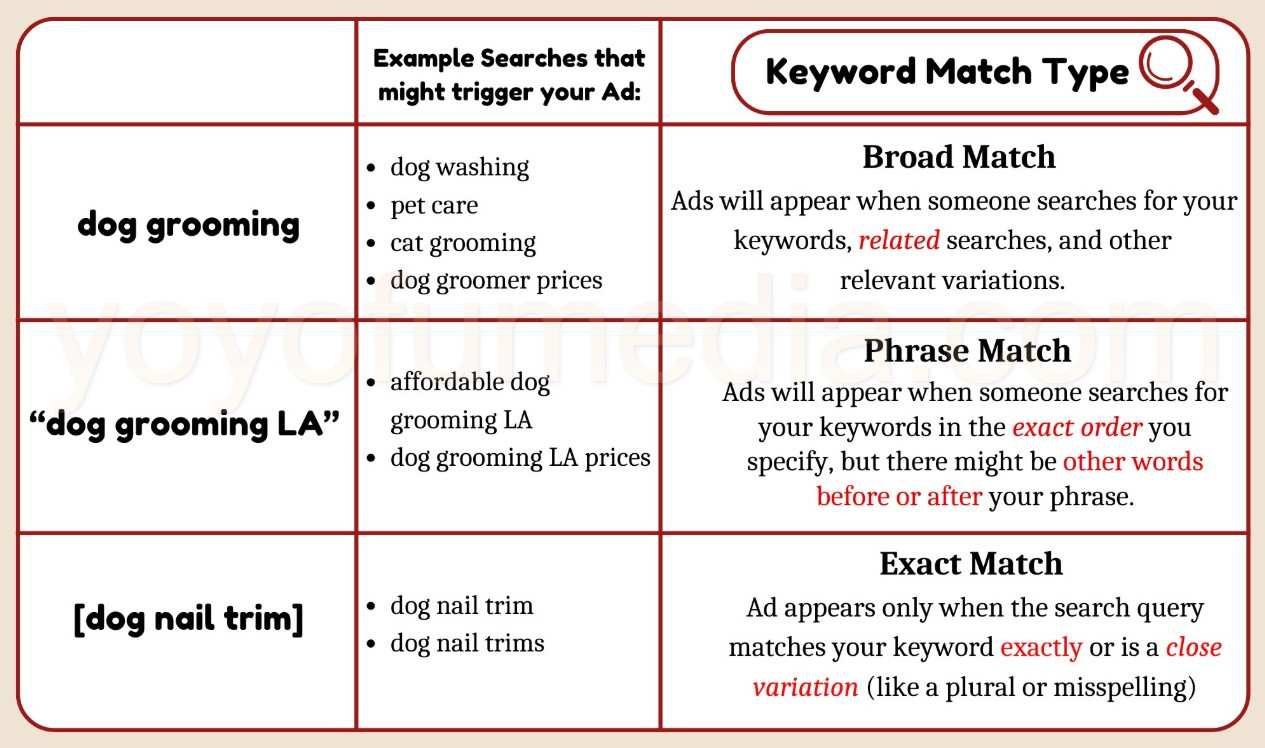
Keyword match types are a tool that you continually adjust and monitor as part of your ongoing Google Ads management.
Negative Keywords
Negative Keywords are terms that, if included in a search, will stop your ad from appearing.
For example, if a groomer only works with dogs and cats, they would add negative keywords like “reptile“, “bird“, or “farm animal” to avoid irrelevant clicks.
Similarly, if they don’t offer “DIY grooming” or “at-home grooming kits,” those phrases should be added as negative keywords.

IV. Conclusion
To wrap things up, setting up a successful Google Ads campaign for your pet grooming business involves a straightforward process. First, you must decide what you want to achieve, like getting more appointments. Then, you choose a search campaign to reach people actively looking for grooming services. Next, you select keywords related to your services and your location, making sure your ads show up to the right local customers. You create eye-catching ad headlines and descriptions, and use ad extensions to add important details. Finally, you set a budget that fits your needs and regularly check your campaign’s performance, making changes as needed. By following these steps, you can build a Google Ads campaign that brings in more clients.
For a pet grooming business, investing in Google Ads is very important. Many pet owners use the internet to find local grooming services. Google Ads lets you directly reach people who are searching for grooming services in your area. By showing up at the top of search results, you increase your visibility and attract more customers to your business. This can lead to more appointments and more income, which is very important for your business.
YoYoFuMedia has a lot of experience helping businesses succeed with Google Ads. We understand the special needs of pet grooming businesses and know how to create campaigns that get real results. See our results in action in YoYoFuMedia Case Studies Page. We can help you with all the details of Google Ads, making sure your campaigns work as well as possible. Let us help you connect with more pet owners who are looking for your services. Contact us now!


